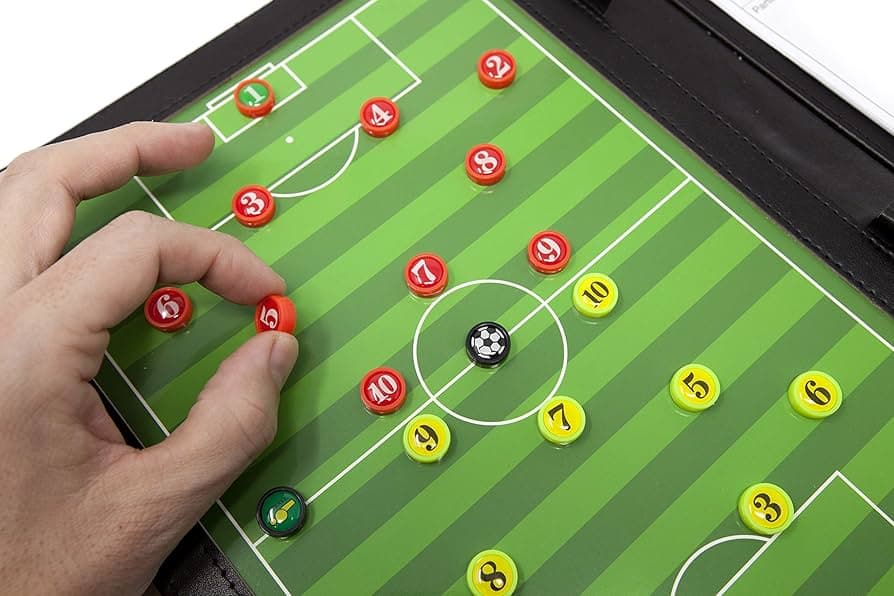
Building an effective game model for developing teams
How to define clear game principles, adapt them to the context and help players truly make them their own.
Why the game model must fit the context
An effective game model is not a list of ideas on a board. It starts with understanding the club, the players, the culture around the team and the real demands of the competition.
Context analysis before intervention
The first step is to analyse identity, expectations and player profiles. That context helps define a model that makes sense for the team instead of forcing abstract concepts onto the group.
A flexible model for developing teams
In youth or developing environments, the game model should guide learning without limiting growth. It must be flexible enough to help players understand different roles and phases of the game.
Dynamic systems and tactical growth
Working with dynamic systems allows players to adapt, read changing situations and become more tactically intelligent rather than being fixed to one position only.
Core principles that shape behaviour
Three principles are especially important in this process:
- sacrifice to sustain collective effort
- commitment to the team and the club
- humility to learn, correct and improve
Conclusion
Building a game model is an ongoing process of adaptation and learning. When players truly understand that identity, the team can express it naturally and consistently on the pitch.